
 Current
location:
Current
location: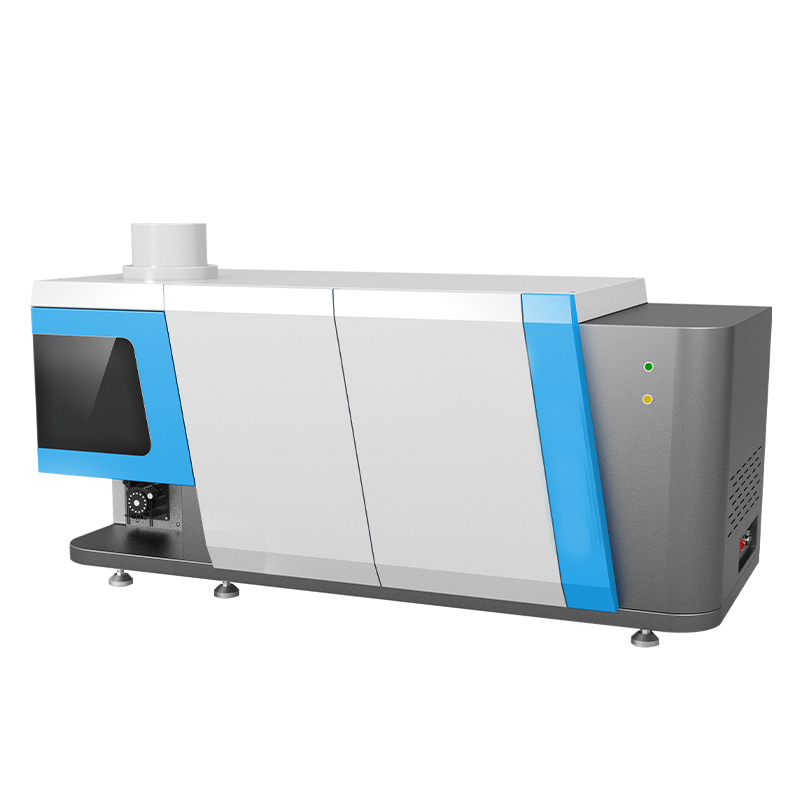
1. Introduction: ICP-OES Across Diverse Industries
Inductively coupled plasma optical emission spectrometry (ICP-OES) has established itself over the past four decades as one of the most versatile elemental analysis platforms available to analytical laboratories. Its capacity to simultaneously determine 70 or more elements with detection limits in the sub-µg/L range, combined with a linear dynamic range spanning five to six orders of magnitude, means that a single instrument configuration can serve the quantitative elemental needs of industries as different as petroleum refining, food safety testing, semiconductor manufacturing, and lithium battery production.
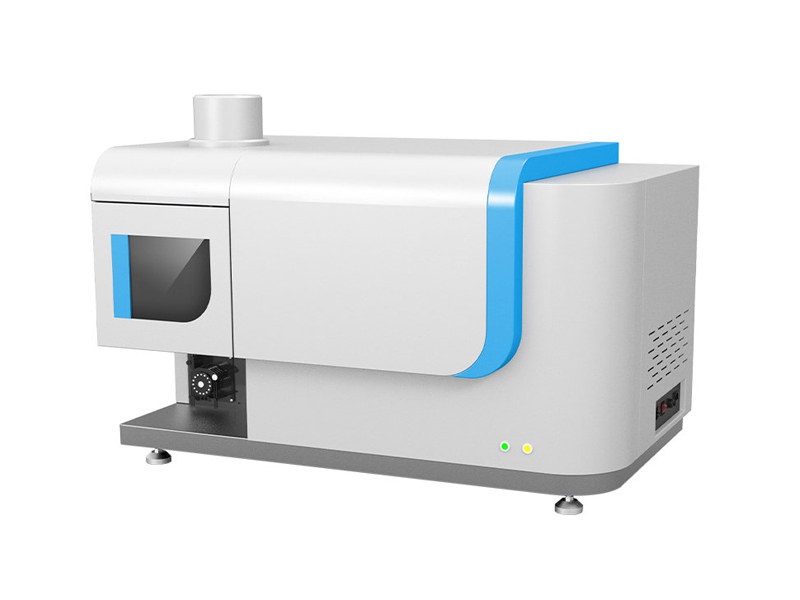
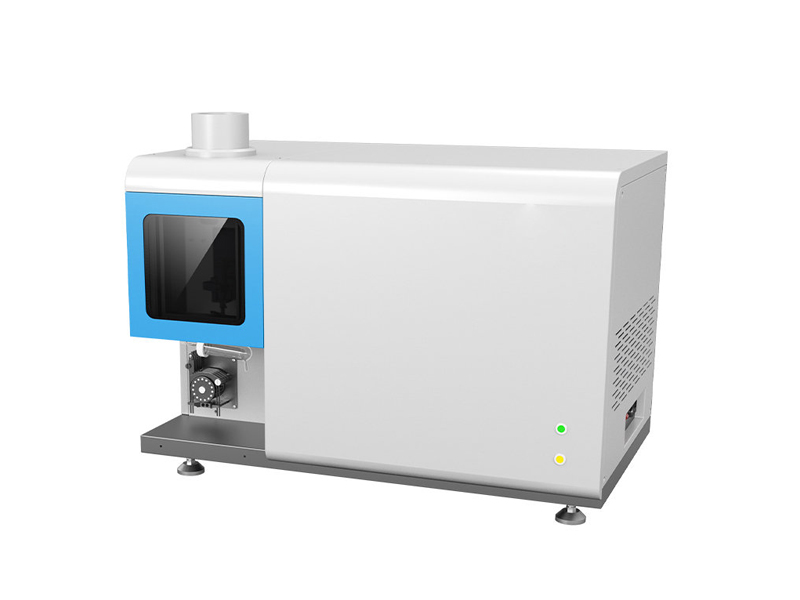
This white paper examines how HM Instruments ICP-OES spectrometers — the HM-ICP1, HM-ICP2, and HM-ICP3 — are deployed across eight major industry sectors. For each sector, the paper covers: the analytical requirements driving ICP-OES adoption, the relevant national and international standards, the specific matrices and analyte elements involved, and the recommended HM Instruments instrument configuration. A consolidated industry summary table is provided in Section 10.
The three HM Instruments models differ in detector technology, wavelength coverage, and price point, and are suited to different application priorities:
HM-ICP1 (USD 39,000): PMT-based, Czerny-Turner 1000 mm spectrometer, 3600 L/mm grating, ≤ 0.008 nm resolution, 190–500 nm, RF 800–1,600 W, -20 °C spray chamber. Optimized for petrochemical analysis.
HM-ICP2 (USD 48,000): Million-pixel CCD, full-spectrum 165–900 nm, ≤ 0.007 nm @ 200 nm, RF 500–1,600 W, -45 °C TEC spray chamber, RSD ≤ 0.5%, 0.1 µg/L detection limit. Full-spectrum general-purpose platform.
HM-ICP3 (USD 56,000): CID detector (same category as Thermo Fisher high-end systems), 165–900 nm, < 0.007 nm, RF 700–1,500 W, 35 ± 0.1 °C thermostated optical chamber, RSD < 0.5%, 1–10 ppb detection range. Research-grade performance.
2. Petrochemical & Oil Industry
2.1 Industry Context and Analytical Drivers
The petrochemical and oil refining industry relies on ICP-OES for process quality control, equipment protection, and product compliance testing. Trace metals in lubricating oils are direct indicators of engine wear; nickel and vanadium in crude oil feedstocks predict catalytic converter poisoning and deactivation; sulfur-bound elements in fuel affect combustion performance and emissions compliance; and contaminant metals in vehicle urea solutions (AdBlue/DEF) are regulated to protect selective catalytic reduction (SCR) systems.
2.2 Key Analytical Applications
Used lubricating oils (wear metal analysis): Elements including Fe, Cu, Cr, Ni, Pb, Sn, Al, Si, Na, Ca, Mg, Ba, P, Zn are measured to diagnose engine wear and contamination. This is the primary application for the ASTM D5185 method and its Chinese equivalent GB/T 17476.
Gasoline and diesel fuels: Trace elements such as Si, P, Ca, Fe, Mn, and Na are monitored for catalyst and engine protection; some elements (Si, P) deactivate catalytic converters even at ppb levels.
Crude oil and heavy fuel oil: Ni, V, Fe, Na, Ca, and Mg are analyzed to characterize feedstock quality and predict refinery corrosion; total V and Ni contents drive blending decisions for atmospheric and vacuum distillation units.
Vehicle urea solution (DEF/AdBlue): ISO 22241 specifies tight limits for Ca, Mg, Fe, Cu, Zn, Cr, Al, Na, K, and Ni. ICP-OES provides the necessary sub-mg/L detection capability for all regulated elements simultaneously.
Tracer rare earth elements (REEs) in crude oil: REEs including La, Ce, Pr, Nd, and Sm are used as chemical tracers in enhanced oil recovery (EOR) operations; their analysis requires the 165–900 nm wavelength coverage of the HM-ICP2 or HM-ICP3.
2.3 Sample Preparation for Petroleum Matrices
Petroleum samples are introduced to the ICP-OES either by direct dilution in organic solvents (kerosene, xylene, or MIBK per ASTM D5185) or by acid digestion followed by aqueous dissolution. Direct injection methods preserve volatile organo-metallic species and are preferred for routine QC analysis. Microwave-assisted digestion with HNO₃/H₂SO₄ is used when total elemental content in heavy crude or asphaltene-rich samples is required.
2.4 Applicable Standards
ASTM D5185 (wear metals in used lubricant oil by ICP-OES), ASTM D7111 (trace elements in middle distillate fuels), GB/T 17476 (Chinese standard for wear metals in lubricants), ISO 22241-2 (quality requirements for DEF/AdBlue), SH/T 0715 (trace metals in crude oil, China).
2.5 Recommended Configuration
The HM-ICP1 is recommended as the primary instrument for dedicated petrochemical laboratories. Its Czerny-Turner 1000 mm spectrometer, -20 °C spray chamber, and RF power range optimized for organic matrix introduction make it purpose-suited for ASTM D5185 and related methods. Laboratories requiring simultaneous REE analysis or broader method flexibility should consider the HM-ICP2 for its 165–900 nm full-spectrum coverage.
3. Environmental Protection
3.1 Industry Context
Environmental regulatory compliance is one of the highest-volume application areas for ICP-OES worldwide. Government laboratories, environmental monitoring stations, third-party testing organizations, and industrial self-monitoring programs all use ICP-OES for the routine determination of heavy metals and trace elements in water, soil, sediment, and air particulate matter. ICP-OES simultaneously determines 30 or more regulated elements in a single run, providing substantially higher throughput than sequential AAS methods.
3.2 Water Analysis
Drinking water, surface water, groundwater, wastewater, and effluent samples are analyzed for regulated metals under standards including:
GB 5749 (Standards for Drinking Water Quality, China): Limits for As, Cd, Cr, Cu, Fe, Mn, Hg, Ni, Pb, Se, Zn, and others.
HJ 776 (Determination of 32 Elements in Water by ICP-OES, China): The primary Chinese ICP-OES method for water; covers Al, As, B, Ba, Be, Ca, Cd, Co, Cr, Cu, Fe, K, Li, Mg, Mn, Mo, Na, Ni, P, Pb, S, Sb, Se, Si, Sn, Sr, Ti, Tl, V, Zn.
EPA Method 200.7 (Determination of Metals and Trace Elements in Water by ICP-OES): The U.S. EPA standard; widely referenced internationally.
ISO 11885 (Water quality — Determination of selected elements by ICP-OES): The international standard.
Drinking water and surface water samples typically have low total dissolved solids and are analyzed with minimal preparation beyond pH adjustment and filtration. Wastewater and industrial effluent samples may require digestion with HNO₃ per method specifications to release particle-bound metals.
3.3 Soil and Sediment Analysis
Soil samples are digested by aqua regia (EPA 3051, 3052) or four-acid digestion (HNO₃/HCl/HF/HClO₄) depending on the regulatory requirement for partial or total elemental extraction. The Chinese standard GB 15618 (Soil Environmental Quality — Risk Control Standard for Agricultural Land) specifies limits for As, Cd, Cr, Cu, Ni, Pb, and Zn in agricultural soils. Environmental site assessment programs routinely include 20–40 elements per sample; ICP-OES's multi-element simultaneous capability provides a significant throughput advantage.
3.4 Air Particulate Matter
PM2.5 and PM10 filter samples from ambient air monitoring stations are acid-digested and analyzed for elements including Pb, Cd, As, Ni, V, Fe, Mn, and Cu. ICP-OES is well-suited to this application because filter digests are typically clean aqueous matrices with relatively low TDS after digestion.
3.5 Recommended Configuration
The HM-ICP2 is the standard recommendation for environmental laboratories requiring full 30+ element simultaneous coverage, 0.1 µg/L detection limit for the most sensitive elements, and compliance with HJ 776 and EPA 200.7. The -45 °C TEC spray chamber minimizes solvent loading and supports the low detection limits needed for drinking water analysis without pre-concentration. High-throughput contract labs may also consider the HM-ICP3 for its enhanced precision and CID detector stability in extended analytical sequences.
4. Metallurgy and Materials Testing
4.1 Industry Context
Metallurgical laboratories analyze raw materials, alloys, and finished metal products for compliance with composition specifications, quality assurance, and failure investigation. ICP-OES is widely used in this sector because it handles the high matrix concentrations of base metal solutions that challenge AAS detection ranges, while simultaneously providing trace impurity data.
4.2 Steel and Iron Alloys
Steel samples are dissolved in HCl/HNO₃ mixtures to produce high-iron matrix solutions with 5–20 g/L Fe. The major alloying elements (C, Si, Mn, Cr, Mo, Ni, V, Ti, Nb, W, Cu, Co, Al, P, S) and trace impurities (Sn, As, Pb, Sb, Bi) are determined simultaneously. Spectral interference from the rich iron emission spectrum requires high-resolution spectrometers (≤ 0.007 nm) and robust inter-element correction (IEC) algorithms — both provided by the HM-ICP2 and HM-ICP3.
The intelligent attenuation capability (100x range) of the HM-ICP3 is particularly valuable in steel analysis: the major element iron may be present at 20 g/L while trace impurities (Sn, Pb) are at 1–10 mg/L — a dynamic range within a single matrix solution that exceeds four orders of magnitude. The CID detector's non-destructive readout and resistance to blooming allow weak analyte lines to be measured accurately even when strong iron matrix lines are nearby on the detector array.
4.3 Copper Alloys and Non-Ferrous Metals
Copper alloys (brass, bronze, cupronickel) are analyzed for Pb, Sn, Zn, Ni, Fe, Mn, Si, and Al to verify compliance with ASTM B36, EN 12163, or equivalent national standards. Non-ferrous alloys (aluminum alloys, nickel superalloys, titanium alloys) each present distinct spectral interference patterns that benefit from the full-spectrum IEC capability of the HM-ICP2 and HM-ICP3.
4.4 Precious Metals
Gold, silver, platinum, palladium, and rhodium refineries use ICP-OES to determine purity by measuring trace impurity elements. High-purity dissolution in aqua regia produces matrices requiring specialized background correction at UV wavelengths. The IEC-corrected full-spectrum approach of the HM-ICP2 and HM-ICP3 supports the simultaneous determination of 20+ impurity elements in a single measurement.
4.5 Recommended Configuration
The HM-ICP3 is recommended for high-performance metallurgical laboratories where complex high-matrix solutions, intelligent attenuation for dynamic range extension, and CID detector stability are required. The HM-ICP2 is a cost-effective alternative for routine alloy QC laboratories. Applicable standards include ISO 10700 (steel), ASTM E1019 series, and GB/T 4698 series (non-ferrous metals, China).
5. Food Safety Testing
5.1 Regulatory Background
Heavy metal contamination in food is a major public health concern. Regulatory standards in China (GB 2762) and internationally (EC 1881/2006, Codex Alimentarius) specify maximum limits (MLs) for Pb, Cd, As, Hg, Cr, Sn, and other elements in a wide range of food categories. Food safety testing laboratories must determine these elements at or below the regulatory MLs, which are typically in the 0.05–1.0 mg/kg (wet weight) range, corresponding to µg/L levels in digested sample solutions.
5.2 Chinese Food Safety Standards
The primary Chinese food safety standard governing heavy metal analysis in food is GB 5009.268 (National Food Safety Standard — Determination of Multiple Elements in Food), which specifies ICP-OES as an approved method for simultaneous multi-element analysis. GB 2762 (National Food Safety Standard — Maximum Levels of Contaminants in Foods) sets the regulatory limits against which results are compared.
Key elements and representative limits under GB 2762 include:
| Element | Food category | GB 2762 ML (mg/kg, wet weight) |
|---|---|---|
| Lead (Pb) | Grain (polished rice) | 0.2 |
| Cadmium (Cd) | Grain (polished rice) | 0.2 |
| Arsenic (As) | Grain (rice, inorganic As) | 0.2 |
| Mercury (Hg) | Fish and seafood | 0.5 |
| Chromium (Cr) | Grain products | 1.0 |
| Tin (Sn) | Canned food | 150 (total Sn) |
At a typical sample preparation dilution factor of 20–50, food sample digests must be analyzed at analyte concentrations of 0.004–0.1 mg/L, well within the 0.1 µg/L detection limit of the HM-ICP2 under optimized conditions.
5.3 Sample Preparation
Microwave-assisted acid digestion (HNO₃, with H₂O₂ for organic-rich samples) is the standard preparation method per GB 5009.268. Digestion temperatures of 180–200 °C are used to ensure complete destruction of organic matter. After digestion, the cooled solutions are diluted to volume and analyzed directly by ICP-OES. For mercury, a CV-AFS or cold-vapor addition step is sometimes preferred given Hg's volatility, although ICP-OES can determine Hg reliably in digested solutions analyzed promptly after preparation.
5.4 Recommended Configuration
The HM-ICP2 is the standard recommendation for food safety laboratories, providing the 0.1 µg/L detection limit, full-spectrum simultaneous coverage, and compliance with GB 5009.268 requirements. The full-spectrum capability allows laboratories to determine GB 2762-regulated elements and nutritional elements (Fe, Zn, Cu, Mn, Se) in a single analytical run — reducing per-sample analysis time and cost.
6. Geological & Mining Analysis
6.1 Industry Context
Geological survey organizations, mining companies, and mineral processing laboratories use ICP-OES to characterize ore samples, determine major and trace element geochemistry, and support exploration and grade control programs. The technique is particularly valuable for rare earth element (REE) analysis, where the closely spaced emission lines of 15 lanthanide elements plus yttrium require the high spectral resolution that the HM-ICP2 and HM-ICP3 provide.
6.2 Rare Earth Element Analysis
The 15 lanthanide elements (La, Ce, Pr, Nd, Pm, Sm, Eu, Gd, Tb, Dy, Ho, Er, Tm, Yb, Lu) plus yttrium (Y) and scandium (Sc) constitute the rare earth elements critical to permanent magnets, phosphors, catalysts, and battery technologies. ICP-OES provides simultaneous determination of all measurable REEs in a single run, offering significant time savings over XRF or sequential ICP-MS methods when analyte concentrations are above 1 ppb.
Key wavelengths for REE analysis are distributed across 360–500 nm, within the HM-ICP1's range, but optimal coverage including La 398/408 nm, Ce 413/418 nm, and the heavier REEs requires the full 165–900 nm range of the HM-ICP2 or HM-ICP3.
6.3 Applicable Standards
GB/T 14505 (General rules for chemical analysis of rock and mineral samples, China) and GB/T 17418 series (Geochemical sample analysis methods) govern ICP-OES analysis in Chinese geological laboratories. Sample preparation typically involves multi-acid dissolution (HF/HNO₃/HClO₄/HCl sequence) in PTFE vessels on a hot plate or microwave system, followed by dissolution of the dry residue in dilute HCl.
6.4 Major Element Geochemistry
In addition to REEs, geological samples are analyzed for major oxide components (SiO₂, Al₂O₃, Fe₂O₃, MgO, CaO, Na₂O, K₂O, TiO₂, MnO, P₂O₅) and trace elements (Ba, Sr, Zr, Hf, Nb, Ta, Th, U) that characterize rock types and mineralogy. The wide linear dynamic range of ICP-OES allows major and trace elements to be measured in the same or slightly diluted aliquot.
6.5 Recommended Configuration
The HM-ICP2 or HM-ICP3 with full 165–900 nm coverage is required for comprehensive REE analysis. The HM-ICP3's precision (RSD < 0.5%, thermostated optical bench at 35 ± 0.1 °C) supports the long analytical sequences typical of geological survey programs, where sample batches of 50–200 samples per day demand consistent performance throughout the run.
7. New Energy & Lithium Battery Industry
7.1 Industry Drivers
The rapid expansion of lithium-ion battery production for electric vehicles and energy storage has created a fast-growing demand for elemental analysis of battery materials. Cathode active materials, electrolyte solutions, electrode foils, and separator materials all require elemental characterization for quality control, R&D, and regulatory compliance. ICP-OES is the primary technique for this application given its simultaneous multi-element capability and low detection limits.
7.2 Cathode Material Analysis
The three dominant cathode chemistries each require specific elemental ratio verification:
NCM (LiNixCoyMnzO₂): The Ni:Co:Mn molar ratios must be controlled precisely (e.g., 5:2:3, 6:2:2, 8:1:1) to meet energy density and thermal stability specifications. ICP-OES measures Li, Ni, Co, and Mn simultaneously in acid-dissolved cathode powder samples with RSD < 0.5%, meeting the batch-to-batch consistency requirements of cell manufacturers.
LFP (LiFePO₄): Fe and P content, along with trace impurities (Al, Cr, Cu, Zn, Ti, Mg, Ca) that affect electrochemical performance, are determined by ICP-OES following dissolution in dilute H₂SO₄ or microwave digestion in HNO₃/H₂O₂.
LCO (LiCoO₂): Co:Li stoichiometry and trace impurities (Fe, Ni, Cu, Zn, Al, Ca) are measured for high-purity specification verification in consumer electronics batteries.
7.3 Electrolyte and Brine Analysis
Lithium carbonate and lithium hydroxide purity (battery-grade specifications require Li₂CO₃ purity > 99.5%) are verified by measuring impurities including Na, K, Ca, Mg, Fe, Al, Pb, Cu, Cr, Ni, and Si in dissolved samples. Brine from lithium salt lake processing is analyzed for Mg/Li and K/Li ratios to guide processing efficiency.
7.4 HF-Resistant Accessories
Some sample preparation protocols for refractory cathode materials (spinel LiMn₂O₄, lithium-rich layered oxides) require HF as part of the digestion acid mixture. For these applications, the HM-ICP2 and HM-ICP3 can be configured with HF-resistant accessories including a PTFE or PFA spray chamber, PFA nebulizer, and sapphire or alumina torch injector. These components replace the standard borosilicate glass/quartz spray chamber and concentric glass nebulizer, which would be etched by HF-containing solutions.
7.5 Recommended Configuration
The HM-ICP2 with optional HF-resistant accessories is the standard recommendation for lithium battery material analysis laboratories. For R&D applications requiring higher precision in stoichiometric ratio determination, the HM-ICP3 with its RSD < 0.5% and CID detector provides the measurement stability needed for precise ratio analysis.
8. Semiconductor & Ultra-Pure Chemical Analysis
8.1 Analytical Requirements
The semiconductor manufacturing industry requires trace elemental analysis of ultra-pure process chemicals (HF, H₂SO₄, H₂O₂, HCl, NH₃, IPA, and clean room rinse water) at sub-ppb (µg/L) or even ppt (ng/L) levels. Trace metal contamination in process chemicals can cause gate oxide defects, junction leakage, and device yield loss. ICP-OES serves as the quality verification tool for chemicals at the ppb level; ICP-MS is required for ppt-level specification products.
8.2 Measurable Elements and Concentration Ranges
For semiconductor-grade chemicals typically specified at ≤ 1–10 ppb for each element, ICP-OES is capable of verification analysis when instrument detection limits of 0.1 µg/L (HM-ICP2) or 1–10 ppb (HM-ICP3) are achievable. Commonly monitored elements include Al, Ba, Ca, Co, Cr, Cu, Fe, K, Li, Mg, Mn, Mo, Na, Ni, Pb, Ti, V, Zn, and Zr. The clean acid matrices of semiconductor chemicals (dilute HF, H₂SO₄ at 2–5% after sample dilution) are compatible with standard aqueous ICP-OES configurations after appropriate dilution.
8.3 Clean Room Compatibility
ICP-OES instruments placed in or adjacent to semiconductor clean room environments require careful attention to contamination control. Instrument installation should include ISO Class 7 or better local environment around the sample introduction system, HEPA-filtered air supply to the instrument's argon purge system, and use of ultra-clean (trace-metal-grade) argon gas (purity ≥ 99.999%). Reagent blanks must be prepared from the same ultra-pure chemical lots as the samples being analyzed.
8.4 Recommended Configuration
The HM-ICP2 with PFA/PTFE sample introduction components (spray chamber, nebulizer, tubing) is recommended for semiconductor chemical analysis at the 0.1–10 ppb verification level. For process chemicals with specifications below 1 ppb, ICP-MS is the appropriate technique; ICP-OES serves as the in-process QC tool at incoming inspection and intermediate purification stages.
9. Agriculture, Soil, and Feed Analysis
9.1 Industry Context
Agricultural laboratories — including provincial agricultural research institutes, soil survey stations, and animal feed testing centers — use ICP-OES for three primary analytical areas: soil nutrient and contaminant analysis, plant tissue elemental profiling, and animal feed mineral composition verification. ICP-OES's multi-element capability makes it well-suited to these applications, where both nutrient elements (Ca, Mg, Fe, Zn, Cu, Mn, B, Mo, Co) and potentially toxic elements (Pb, Cd, As, Cr, Ni) must be determined in the same sample batch.
9.2 Soil Analysis
Agricultural soil analysis encompasses available nutrient assessment (extractable Ca, Mg, K, Fe, Zn, Cu, Mn, B using DTPA or Mehlich extractants) and total metal content analysis (following aqua regia or four-acid digestion). Chinese standards including GB 15618 (agricultural land soil quality risk control) and NY/T 1121 series (soil testing methods) govern these analyses.
9.3 Plant Tissue Analysis
Plant tissue samples (grain, leaf, root, fruit) are ashed at 450–500 °C or microwave-digested in HNO₃/H₂O₂, then dissolved in dilute HCl for ICP-OES analysis. Nutrient status monitoring of crops (Fe, Zn, Cu, Mn, B, Mo deficiencies or toxicities) and food safety verification (Pb, Cd, As accumulation in edible portions) are both addressed in a single analytical run.
9.4 Animal Feed and Premix Analysis
The Chinese standard GB/T 13885 (Determination of Calcium, Copper, Iron, Magnesium, Manganese, Potassium, Sodium and Zinc Contents in Animal Feeding Stuffs by Atomic Absorption Spectrometry) lists AAS as the reference method, but ICP-OES is increasingly accepted and offers faster multi-element throughput. Feed premixes at high mineral concentration levels require appropriate dilution to fall within ICP-OES's linear range; the instrument's wide LDR (5–6 decades) typically allows a single preparation to cover all analytes without multiple dilutions.
9.5 Recommended Configuration
The HM-ICP2 provides the detection limits, wavelength coverage, and multi-element throughput needed for agricultural laboratory applications. For smaller laboratories with a primarily petrochemical client base that also perform agricultural soil testing, the HM-ICP1's 190–500 nm range covers the key nutrient and contaminant elements needed for soil and plant analysis, though trace element detection limits will be somewhat less sensitive than the HM-ICP2.
10. Industry Application Summary Table
The following table provides a consolidated overview of HM Instruments ICP-OES applications across eight industry sectors:
| Industry | Typical Matrices | Key Elements | Primary Standards | Recommended Model | Key Instrument Features |
|---|---|---|---|---|---|
| Petrochemical & Oil | Lubricant oil, crude oil, diesel, gasoline, DEF/AdBlue | Fe, Cu, Cr, Ni, V, Na, Ca, Mg, Ba, Zn, P, Si | ASTM D5185, GB/T 17476, ISO 22241 | HM-ICP1 | -20 °C spray chamber, 800–1,600 W RF, PMT |
| Environmental | Water, soil, air PM, sediment | Pb, Cd, As, Cr, Cu, Zn, Ni, Fe, Mn, Al, 30+ elements | HJ 776, GB 5749, GB 15618, EPA 200.7 | HM-ICP2 | 0.1 µg/L detection, full spectrum, -45 °C TEC |
| Metallurgy | Steel, copper alloys, precious metals, high-iron digests | C, Si, Mn, Cr, Ni, Mo, V, W, Cu, Al, Pb, Sn, 20+ elements | ISO 10700, ASTM E1019, GB/T 4698 | HM-ICP3 | CID, 100x intelligent attenuation, IEC, < 0.007 nm |
| Food Safety | Food digests (grain, seafood, vegetables, canned food) | Pb, Cd, As, Hg, Cr, Sn, Fe, Zn, Cu, Mn, Se | GB 5009.268, GB 2762 | HM-ICP2 | 0.1 µg/L detection, simultaneous 30+ elements |
| Geological & Mining | Rock digests, mineral concentrates, brine | 15 REEs + Y, Ba, Sr, Zr, Nb, major oxides | GB/T 14505, GB/T 17418 | HM-ICP2 / HM-ICP3 | 165–900 nm, high resolution, long-sequence stability |
| New Energy / Lithium Battery | Cathode powder digests (NCM, LFP, LCO), brine, electrolyte | Li, Ni, Co, Mn, Fe, P, Na, K, Ca, Mg, trace impurities | GB/T 33827 (Li products), internal QC specs | HM-ICP2 (HF-resistant config.) | PFA/PTFE accessories, ≤ 0.5% RSD, full spectrum |
| Semiconductor | Ultra-pure acids, rinse water, process chemicals | Al, Ca, Fe, K, Na, Ni, Cu, Zn, Ti, Cr, 20+ elements | SEMI C1, SEMI C8, internal 1–10 ppb specifications | HM-ICP2 | PFA accessories, 0.1 µg/L detection, clean room install |
| Agriculture & Feed | Soil extracts, plant tissue digests, feed premix solutions | Ca, Mg, Fe, Zn, Cu, Mn, B, Mo, K, Na, Pb, Cd, As | GB 15618, NY/T 1121, GB/T 13885 | HM-ICP2 | Full spectrum, 0.1 µg/L, simultaneous nutrient and toxic element analysis |
Notes on Model Selection
The table above reflects typical industry requirements. In practice, many laboratories serve more than one industry segment, and the choice of model should account for the full range of applications performed. Laboratories that perform both petrochemical and environmental testing, for example, would benefit from the HM-ICP2's full-spectrum flexibility over the more specialized HM-ICP1. Laboratories investing in a single instrument to serve research, materials testing, and regulatory compliance functions may find that the HM-ICP3's CID detector performance and thermostated optical stability justify the incremental investment over the HM-ICP2.
Conclusion
ICP-OES remains one of the most broadly applicable elemental analysis techniques available to modern analytical laboratories. Its combination of simultaneous multi-element capability, wide linear dynamic range, and detection limits in the sub-µg/L range means that a single instrument can address the analytical demands of industries as diverse as petroleum refining, semiconductor manufacturing, and food safety compliance — often using the same fundamental measurement principles while adapting only the sample preparation approach and wavelength selection to the specific application.
HM Instruments' three-model ICP-OES lineup — the purpose-built HM-ICP1 for petrochemical analysis, the full-spectrum HM-ICP2 for high-throughput multi-industry laboratories, and the research-grade HM-ICP3 for precision materials and scientific research applications — provides a structured path for laboratories to select the configuration that matches both their current analytical requirements and their anticipated future needs. With 280 nationwide service centers, a 24-hour fault response commitment, and a 12-month warranty across all models, HM Instruments supports these instruments throughout their operational life.
Laboratories evaluating an ICP-OES investment are encouraged to use this white paper as a starting point and to contact HM Instruments' application specialists for a detailed consultation specific to their sample types, analyte requirements, and regulatory compliance obligations.
Article address:https://www.spectrometer.top/news/icp-oes-spectrometer-industry-applications.html