 Current
location:
Current
location:

Product Introduction
Laboratories performing routine material identification and incoming quality inspection face a persistent challenge: they need professional-grade molecular analysis capabilities, but budget constraints and operator skill limitations rule out complex, high-maintenance instruments. Traditional FTIR spectroscopy demands careful sample preparation — pellet pressing, ATR crystal cleaning, background subtraction — adding time and variability to every measurement. For educational institutions teaching spectroscopy fundamentals, the gap between textbook theory and hands-on instrument operation often remains frustratingly wide due to equipment cost barriers.
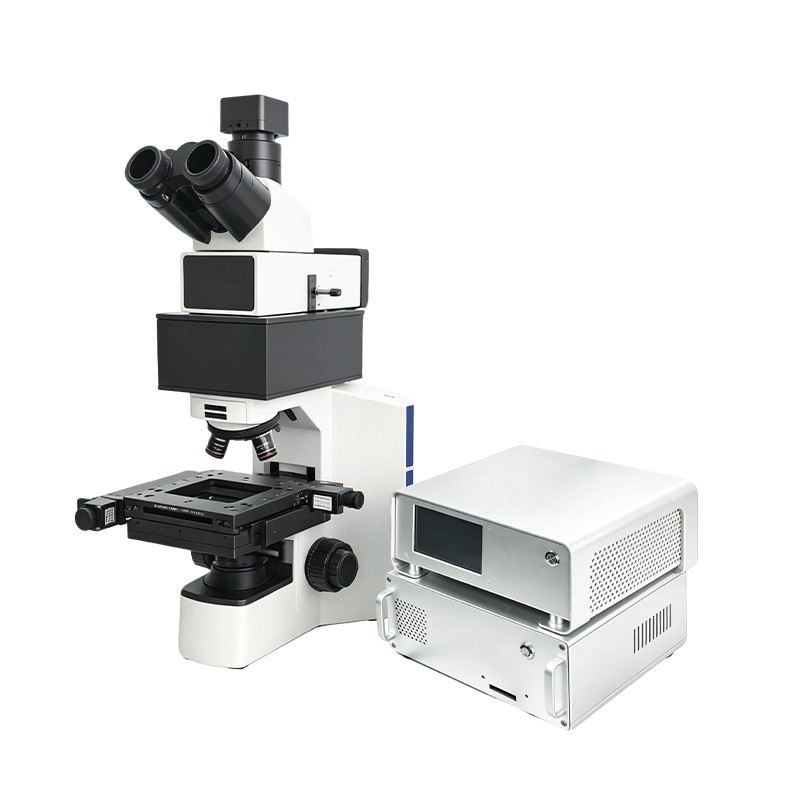
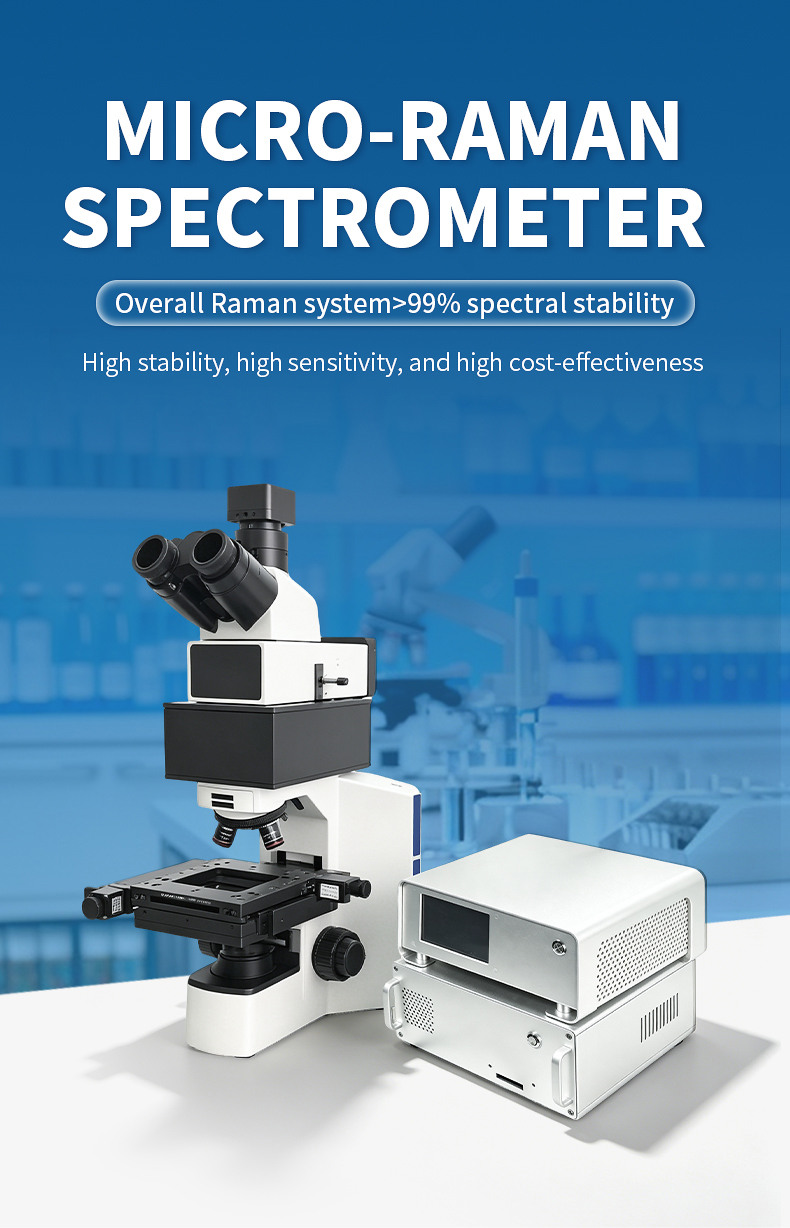
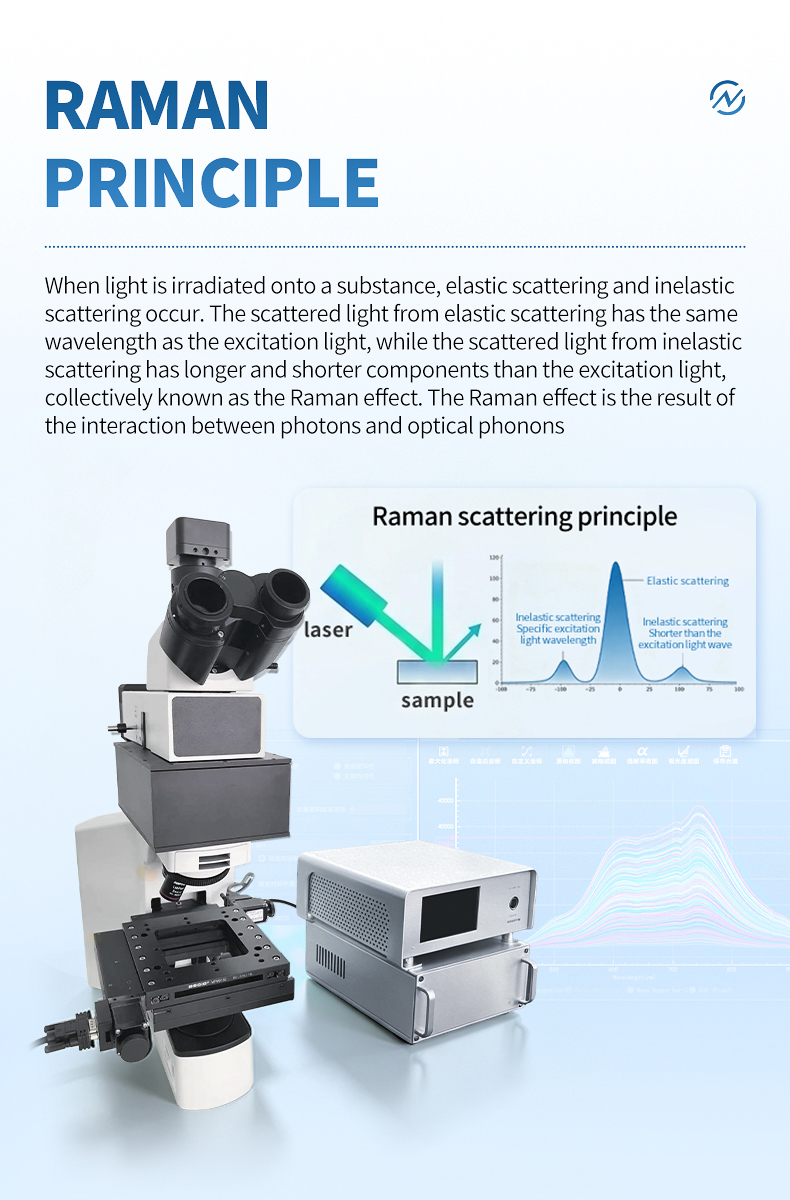
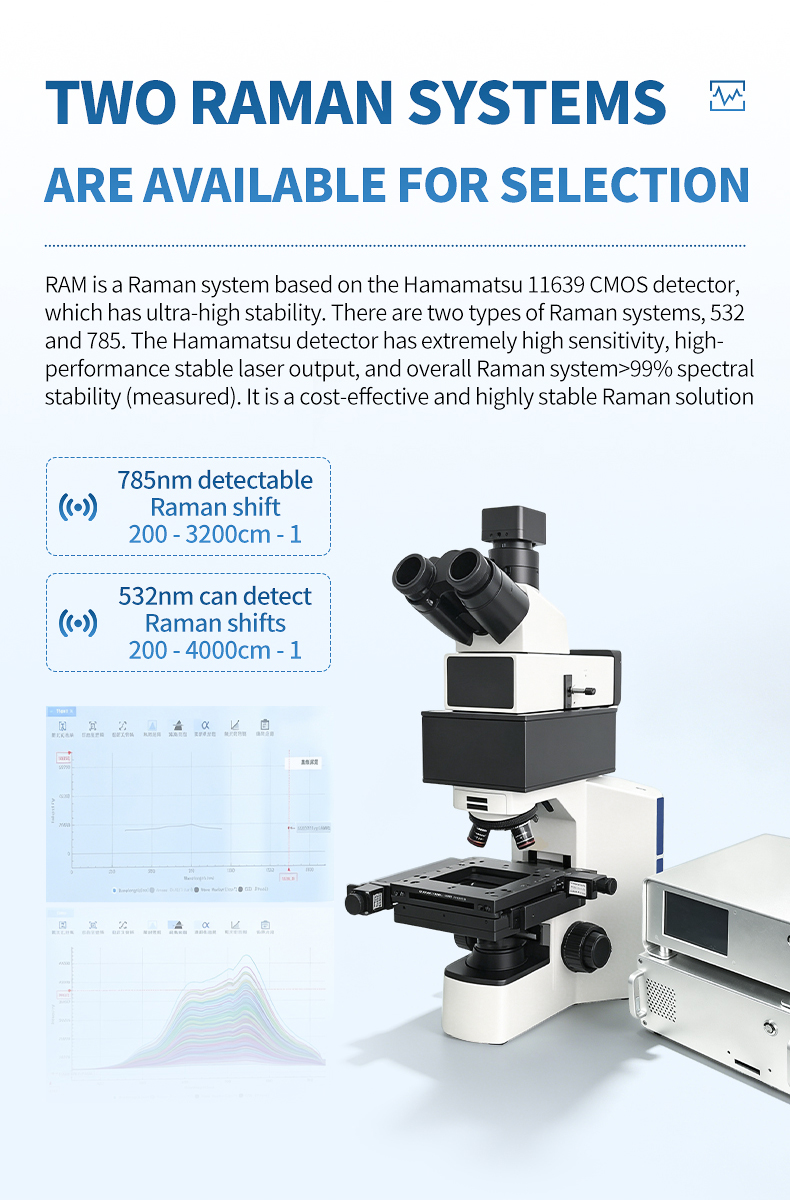
The MR-532A micro Raman spectrometer directly addresses these pain points. Built around a 532 nm excitation laser and the Hamamatsu 11639 CMOS detector, this system delivers non-contact, non-destructive molecular identification with zero sample preparation. Simply place the sample under the microscope, select the measurement point, and acquire a Raman spectrum in seconds. The 532 nm wavelength provides inherently strong Raman scattering — approximately 3.5 times more intense than 785 nm excitation — making it ideal for the inorganic materials, carbon-based substances, and crystalline minerals that dominate QC workflows and teaching curricula.
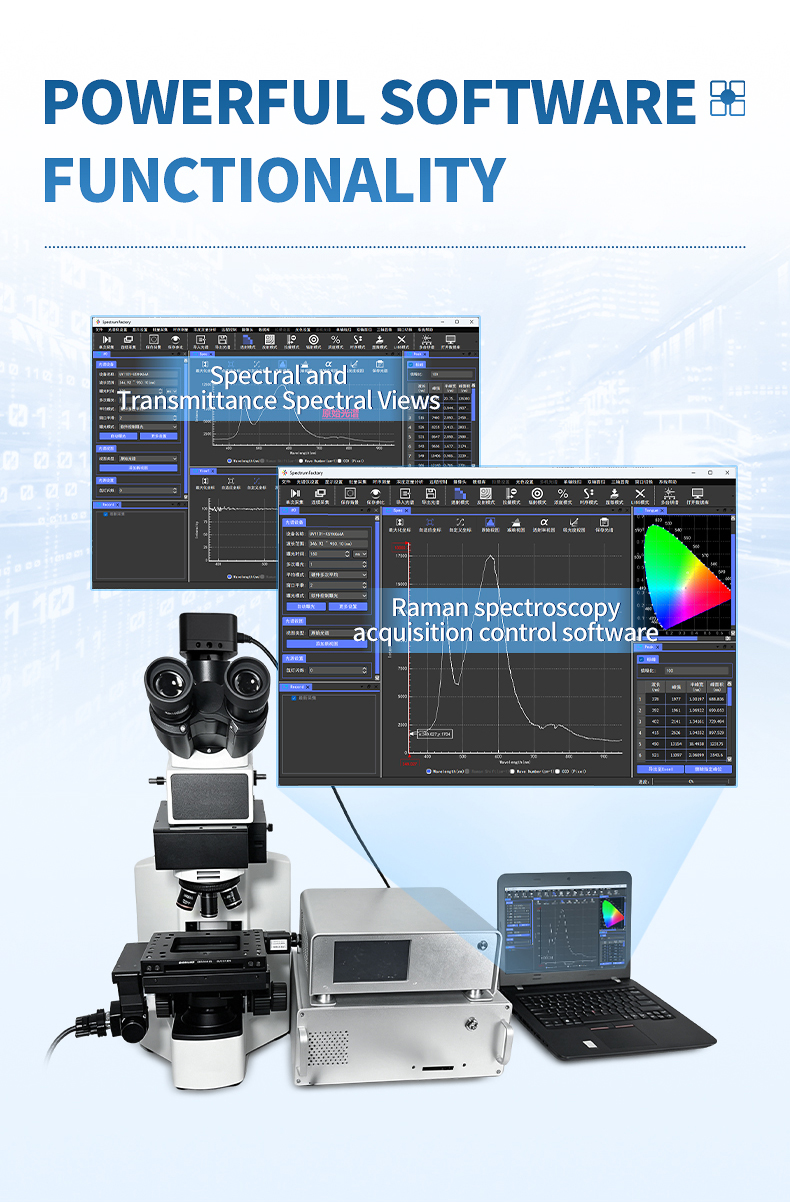
With a wavenumber range of 200–4000 cm⁻¹, spectral resolution of 7 cm⁻¹, and system stability exceeding 99% over 8 continuous hours, the MR-532A produces repeatable results that operators can trust for batch-to-batch comparison and specification compliance. The built-in SpectrumFactory software streamlines the workflow from acquisition through database matching, baseline correction, and PCA clustering analysis — enabling even novice users to achieve meaningful identification results on day one. For university laboratories, the system transforms abstract spectroscopic concepts into tangible, visual learning experiences that students can interact with directly.
Whether you are verifying raw material identity at the receiving dock, teaching Raman fundamentals to chemistry undergraduates, or conducting failure analysis on returned products, the MR-532A delivers professional analytical capability at an accessible entry point. Explore how Raman compares with other analytical techniques in our technical FAQ guide.
Applications
Incoming raw material verification — Confirm identity of carbon powders, mineral ores, and polymer pellets before production line release, using database matching for instant pass/fail decisions
University spectroscopy teaching — Demonstrate Raman scattering principles, Stokes/anti-Stokes shifts, and molecular fingerprint concepts with live measurements on familiar samples like diamond, graphite, and aspirin
Carbon material quality grading — Distinguish graphene quality (D/G band ratio), verify carbon nanotube chirality indicators, and classify diamond-like carbon film sp²/sp³ content
Mineral identification for geological surveys — Rapid identification of common rock-forming minerals (quartz, feldspar, calcite, olivine) in thin sections and hand specimens without destructive preparation
Polymer type sorting and contamination detection — Differentiate PE, PP, PET, PVC, and nylon types in recycling streams; detect unexpected additives or contaminant particles in polymer products
Pharmaceutical raw material screening — Verify excipient and API identity at receiving using non-contact measurement through transparent packaging, reducing contamination risk
Failure analysis and contamination identification — Identify unknown particles, residues, or discoloration on product surfaces for root cause investigation
Gemological laboratory authentication — Distinguish natural from synthetic gemstones, detect heat treatment signatures, and identify diamond simulants through characteristic Raman peaks
Key Features and Advantages
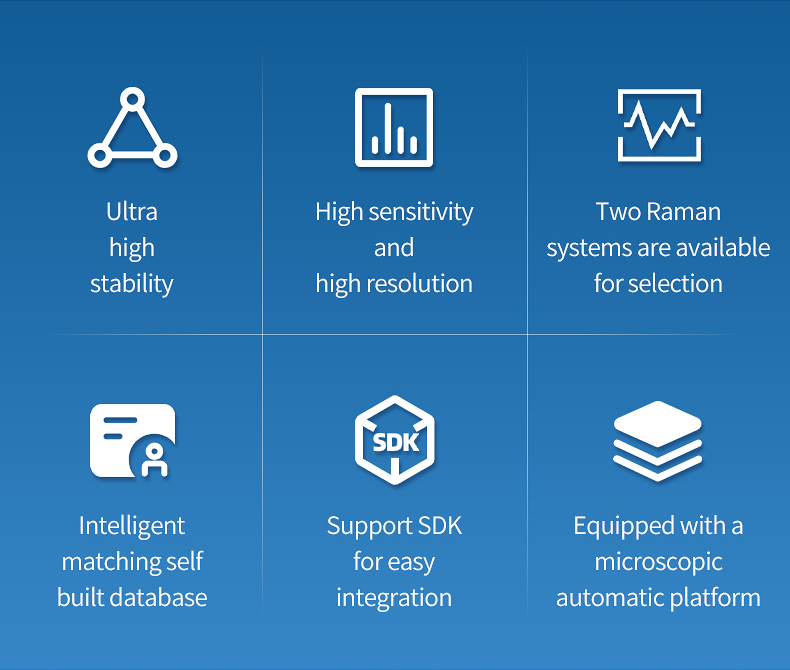
Zero sample preparation — measure solids, powders, liquids, and films directly without pressing, diluting, or coating, reducing analysis time from minutes to seconds per sample
Non-contact, non-destructive measurement preserves sample integrity for subsequent testing or archival storage, critical for limited or irreplaceable specimens
532 nm excitation delivers approximately 3.5x stronger Raman signals than 785 nm, enabling shorter integration times and faster throughput for routine QC measurements
Hamamatsu 11639 CMOS detector with 2048 pixels and >99.8% linearity provides laboratory-grade spectral accuracy that supports quantitative comparison and specification compliance
200–4000 cm⁻¹ full spectral range covers both low-frequency lattice modes (mineral identification) and high-frequency C–H/O–H stretches (polymer characterization) in a single acquisition
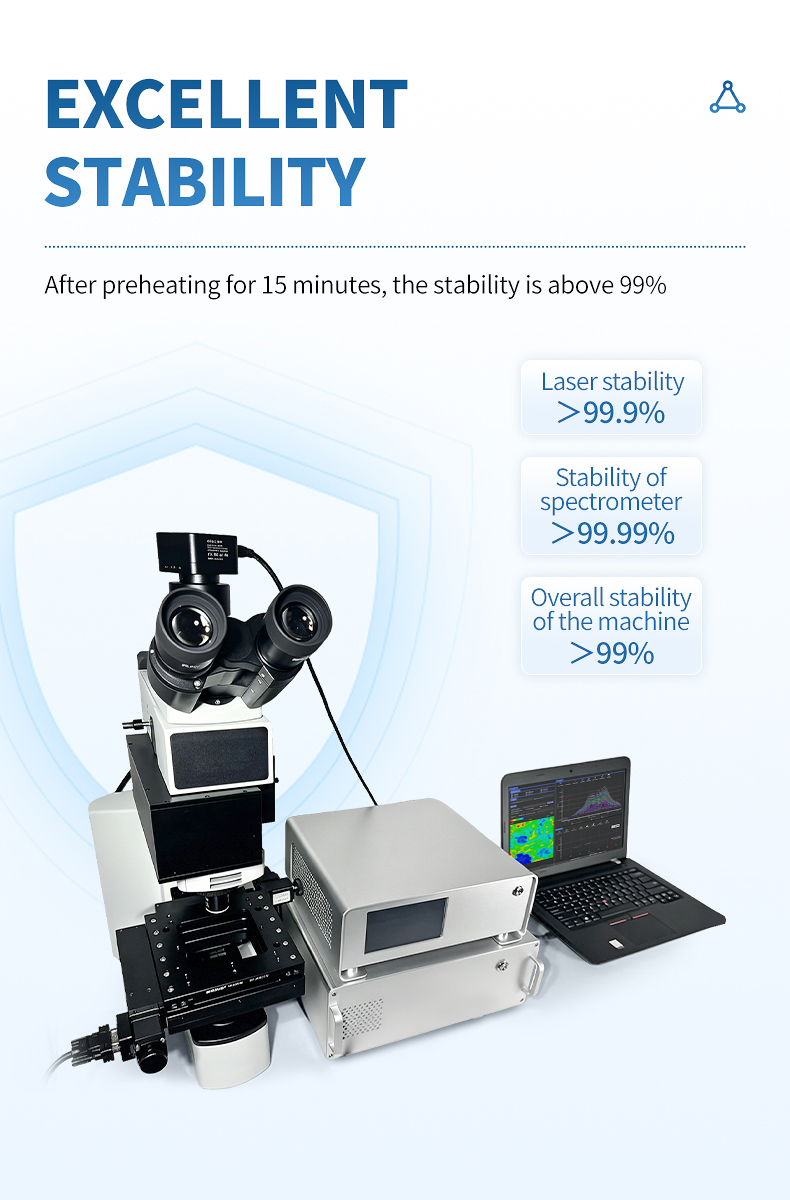
System stability >99% over 8 hours eliminates frequent recalibration needs, enabling batch analysis workflows where dozens of samples are measured consecutively
7 cm⁻¹ spectral resolution is sufficient to resolve characteristic peaks of most industrial materials, polymers, minerals, and common pharmaceutical compounds
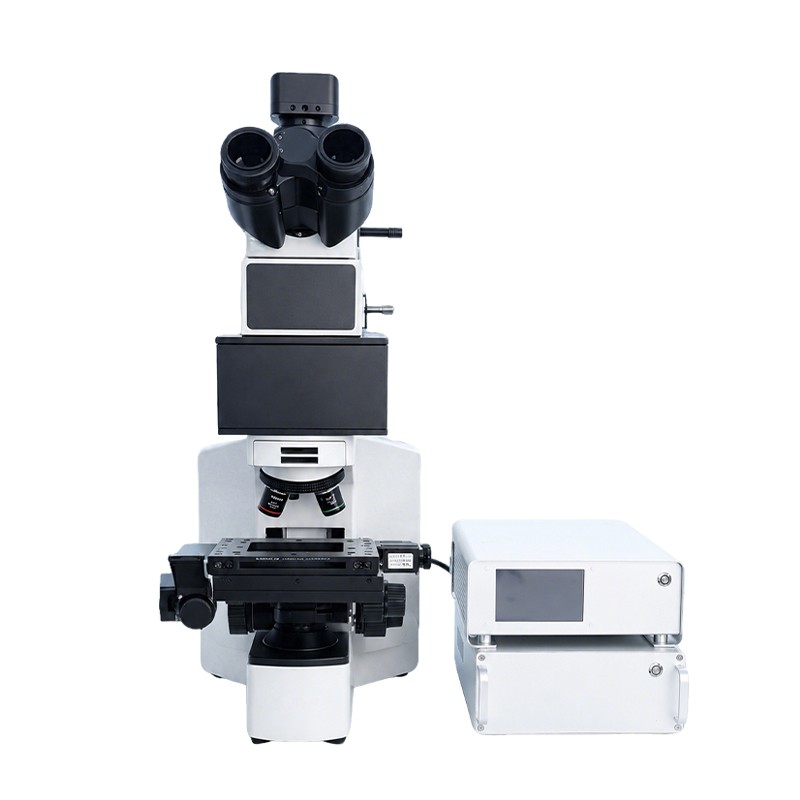
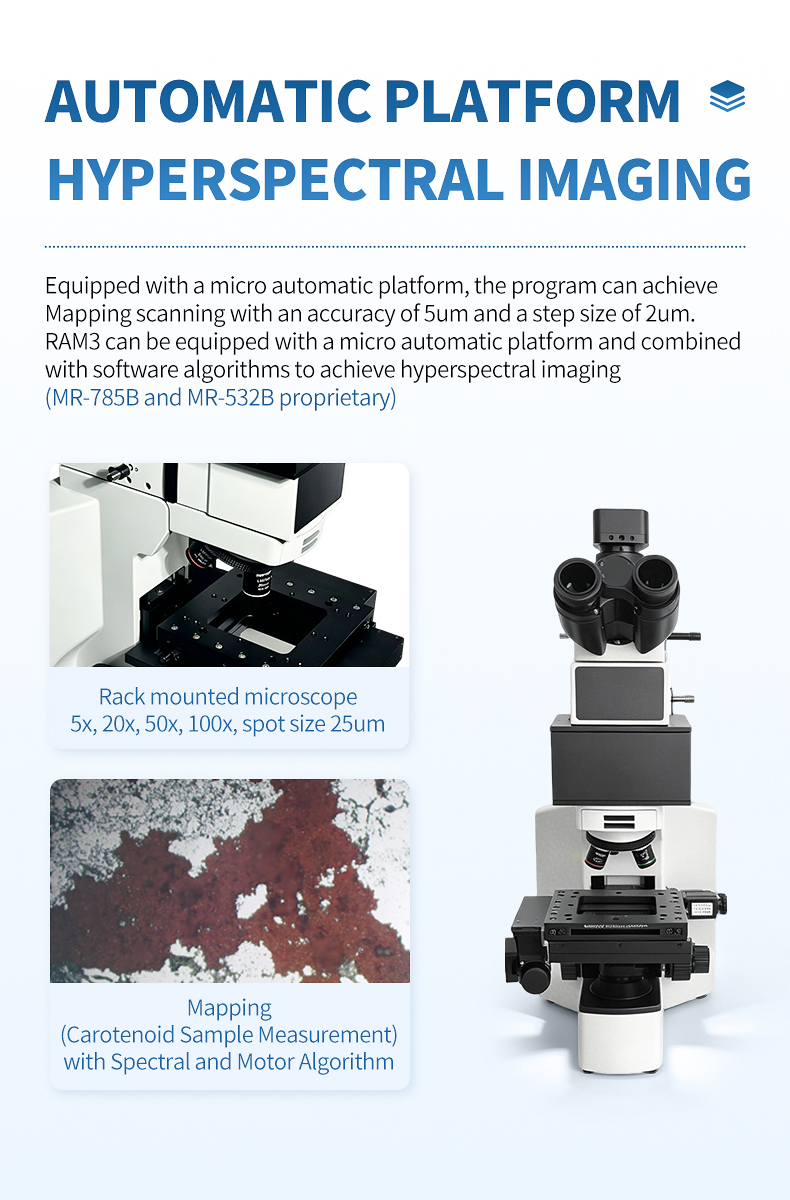
Rack-mounted microscope with 4 objectives (5x/20x/50x/100x) enables visual inspection and targeted analysis at magnifications up to 1000x with 25 μm spot size
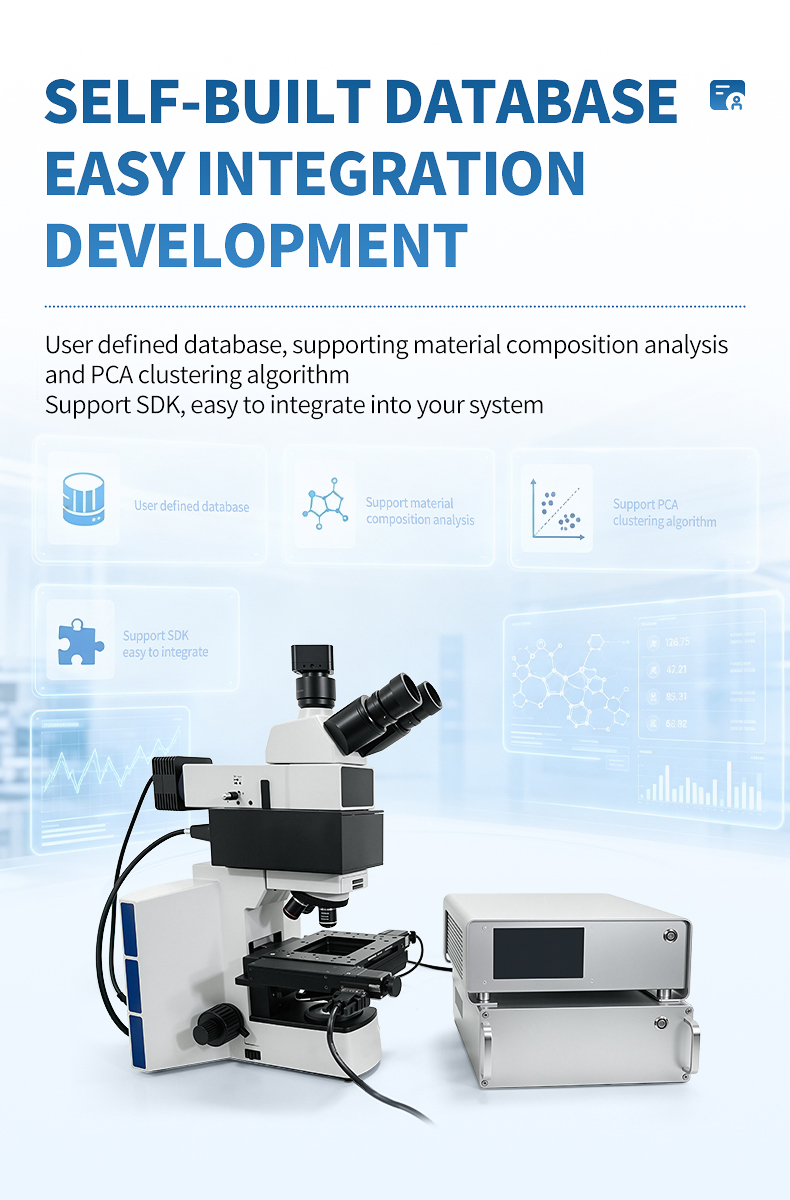
SpectrumFactory built-in database with 1000+ reference spectra enables one-click material identification; custom database expansion supports proprietary material libraries
airPLS baseline correction algorithm automatically removes fluorescence background, producing clean spectra without manual intervention even from moderately fluorescent samples
PCA clustering analysis groups similar spectra automatically, supporting batch consistency monitoring and outlier detection in quality assurance workflows
Compact footprint with rack-mounted design fits standard laboratory benches; no dedicated vibration isolation table required for routine measurements
Intuitive software interface requires minimal training — operators achieve productive use within hours rather than weeks, reducing the total cost of ownership
Technical Specifications
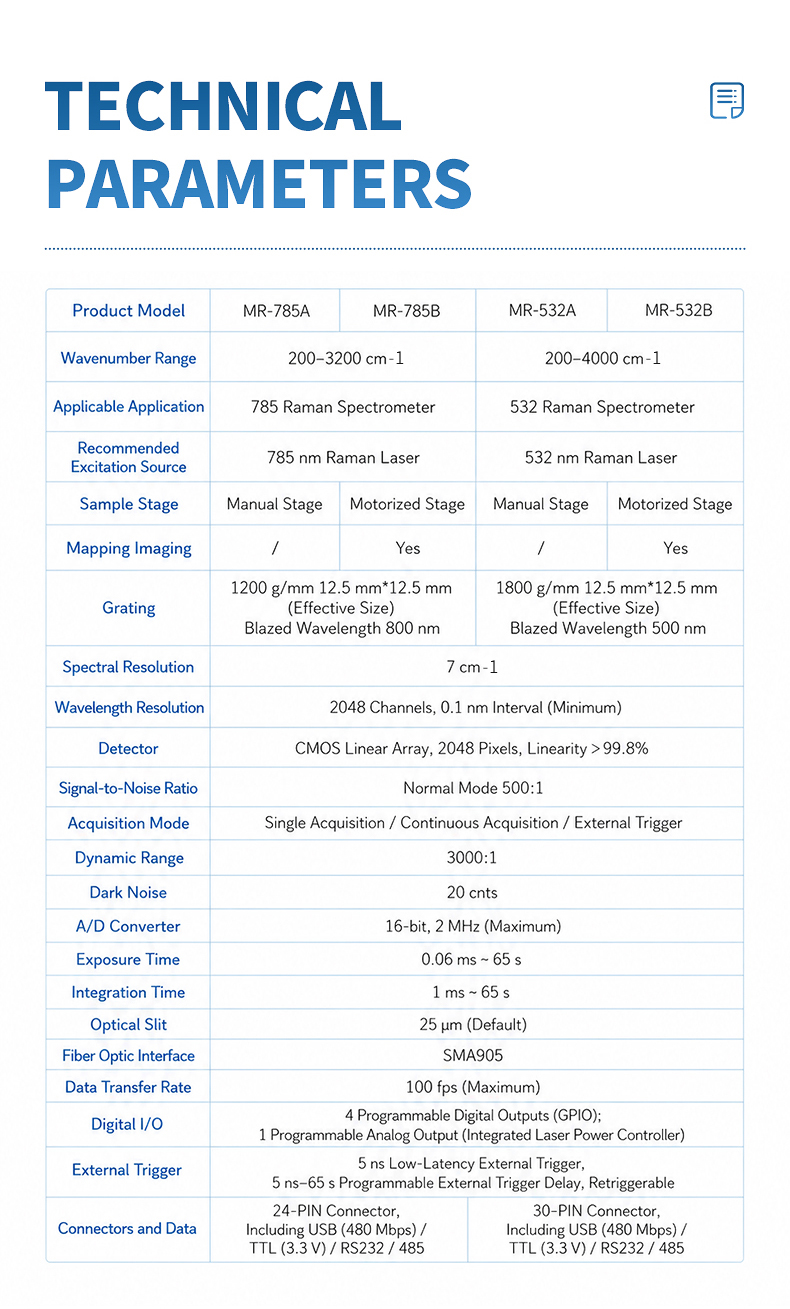
| Parameter | Specification |
|---|---|
| Product Model | MR-532A |
| Excitation Wavelength | 532 nm |
| Wavenumber Range | 200–4000 cm⁻¹ |
| Spectral Resolution | 7 cm⁻¹ |
| Grating | 1800 gl/mm, 12.5 mm × 12.5 mm, blazed at 500 nm |
| Detector | Hamamatsu CMOS linear array, 2048 pixels, linearity > 99.8% |
| Wavelength Resolution | 2048 channels, 0.1 nm interval (minimum) |
| Signal-to-Noise Ratio | 500:1 (normal mode) |
| Dynamic Range | 3000:1 |
| Dark Noise | 20 counts |
| A/D Converter | 16-bit, 2 MHz (maximum) |
| Acquisition Mode | Single / Continuous / External trigger |
| Exposure Time | 0.06 ms – 65 s |
| Integration Time | 1 ms – 65 s |
| Optical Slit | 25 μm (default) |
| Sample Stage | Manual platform |
| Microscope | Rack-mounted, 5x / 20x / 50x / 100x objectives |
| Spot Size | 25 μm |
| Fiber Optic Interface | SMA905 |
| Data Transfer Rate | 100 fps (maximum) |
| Digital I/O | 4 programmable GPIO; 1 analog output |
| External Trigger | 5 ns latency, 5 ns–65 s delay, retriggerable |
| Connectors | 30-pin (USB 480 Mbps / TTL 3.3 V / RS232 / RS485) |
| System Stability | Laser >99.9%, Spectrometer >99.99%, Overall >99% (8h after 15-min warm-up) |
FAQ
Q: What types of materials can the MR-532A identify in a quality control setting?
A: The MR-532A identifies carbon materials (graphite, graphene, diamond), minerals (quartz, calcite, feldspar), polymers (PE, PP, PET, PVC), semiconductors (Si, GaAs), and pigments. The built-in database has 1000+ reference spectra; users can add proprietary materials.
Q: How does Raman spectroscopy compare to FTIR for routine material identification?
A: They are complementary. Raman is strong for symmetric vibrations and non-polar bonds; FTIR excels at polar functional groups. Raman's key advantage is zero sample preparation — non-contact, non-destructive, through transparent packaging. For carbon materials and minerals, Raman provides far more diagnostic information.
Q: Is the MR-532A suitable for teaching undergraduate spectroscopy courses?
A: Absolutely. The MR-532A is specifically designed with educational applications in mind. Its intuitive SpectrumFactory software allows students to acquire meaningful spectra within minutes of first use. Instructors can demonstrate fundamental concepts including Raman scattering theory, Stokes/anti-Stokes intensity ratios, molecular fingerprint identification, fluorescence vs. Raman discrimination, and multivariate analysis using the built-in PCA module. The 532 nm visible laser also enables students to directly observe the excitation beam path, making the optical principles tangible in ways that invisible NIR lasers cannot.
Q: How long does a typical Raman measurement take with the MR-532A?
A: Strong scatterers (silicon, CNTs) take 1–5 seconds. Moderate scatterers (polymers) need 5–30 seconds. Weak scatterers need 1–5 minutes. 532 nm excitation typically cuts measurement times by 3–4x versus 785 nm.
Q: Does the system require regular calibration or maintenance?
A: The MR-532A is designed for minimal maintenance. The system requires a 15-minute warm-up period before use to achieve specified stability performance. After warm-up, the laser stability exceeds 99.9% and spectrometer stability exceeds 99.99% over 8 continuous hours, eliminating the need for frequent recalibration during batch analysis sessions. Periodic wavelength calibration verification using a silicon reference standard (520.7 cm⁻¹ peak) is recommended monthly for quality assurance purposes. The CMOS detector has no consumable parts and requires no scheduled replacement.
Q: Can the MR-532A analyze samples through packaging or containers?
A: Yes. One of the significant advantages of Raman spectroscopy is the ability to measure through transparent and translucent containers. The MR-532A can analyze samples through glass vials, clear plastic bags, transparent blister packs, and even some colored containers depending on the level of fluorescence they produce. This capability is particularly valuable for incoming raw material verification in pharmaceutical and chemical manufacturing, where opening every container for sampling introduces contamination risk and slows the receiving process.
Article address:https://www.spectrometer.top/micro-raman-spectrometer/raman-spectrometer-material-qc-education.html
- Previous: no more
- Next: MR-532B Raman Mapping System for Semiconductor and Materials Research